PART 4 — The Letter in the Locked House
PART 4 SUMMARY: The missing letter may expose who truly controlled the trust, but it sits inside Diane’s home. When police reach the house, they find the document has already become the center of a dangerous confrontation.
Ruiz called for a warrant and sent officers to Diane’s house. Thomas stayed at the hospital with Claire and Lucy, while another detective went to the clinic to secure its files. No one wanted Claire moved until the doctors cleared her, and the police agreed that Diane would not be allowed into the room.
Claire tried to reconstruct the history of the envelope. Her father, Robert, had created the trust after a business sale. The letter was not a legal instrument by itself, but it explained his wishes and included the name of an independent trustee he had chosen. Claire had handed it to Diane shortly after the funeral, believing she would keep it safe.
“I should have asked for it back,” Claire whispered.
“You trusted your family,” Thomas said. “That isn’t the same as doing something wrong.”
The words sounded too generous. He knew his own failures had made Diane’s plan easier, and no reassurance could undo that.
At Diane’s home, officers found the front door unlocked. The house was empty, but the safe in the study stood open. Its interior was bare except for a torn strip of envelope and a small brass key. The officers photographed everything and searched the rooms.
In the garage, they found a second car with its engine warm. A tablet sat on the passenger seat, open to a remote access screen connected to the clinic’s financial system. There was no sign of Diane or Grant.
Ruiz called Thomas with the update. The house’s security footage showed Diane leaving an hour earlier with a small case. She had taken a route toward the river district, where the clinic owned a records annex. The annex held archived patient files and legal documents from the family foundation.
Thomas remembered the old account’s paper files. They had once been stored in that building before the firm digitized them. If Diane wanted to destroy evidence, the annex was the logical place.
Ruiz sent a team there. Thomas remained at the hospital, but he recognized one detail in the footage: the small case was the same one Diane used to carry documents to board meetings. It had a built-in lock, and he had seen her keep a key on a silver chain.
The police reached the annex before Diane. The side entrance had been forced, and a motion alarm had been disabled. Inside, they found filing cabinets opened and papers scattered across the floor. A security officer had been tied to a chair but was unharmed. He said a man had entered earlier and told him the building was being inspected.
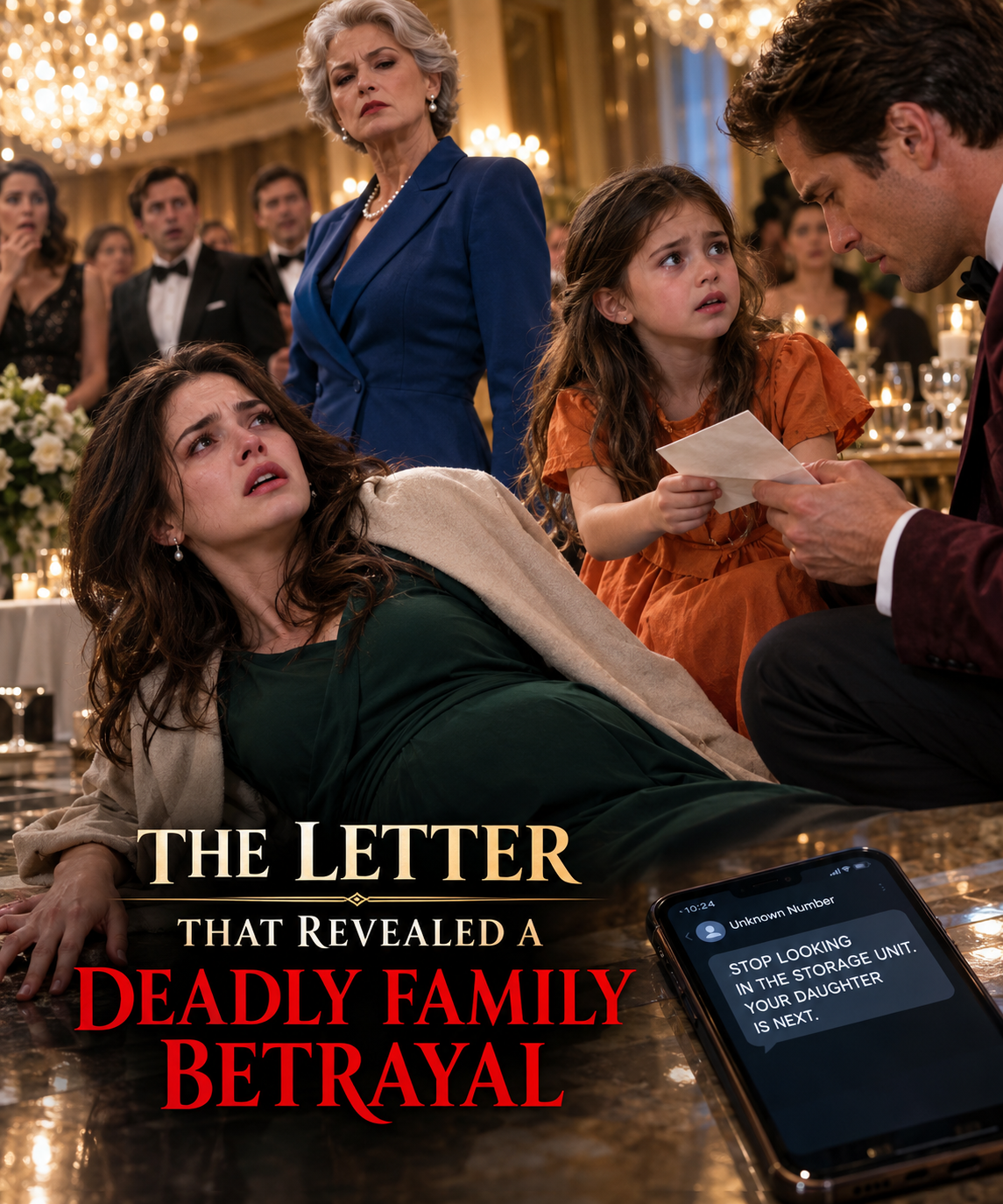
The search led to a locked records room. Behind a stack of old trust binders, detectives found a sealed envelope bearing Robert Bennett’s handwriting. The letter was intact, but a second document beside it appeared to be a drafted amendment naming Diane as sole trustee.
The amendment was dated six months after Robert’s death. Its witness signature belonged to Thomas.
He stared at the scan Ruiz sent him. He had never signed it. The signature looked less like his current handwriting and more like an old sample from his first year at the firm.
“Someone copied both of us,” he said.
The letter from Robert named a retired judge, Margaret Shaw, as independent trustee. It also warned that Diane had once tried to borrow against the trust without permission. Robert had refused, and he asked Claire to keep the trust separate from the family company.
The truth was worse than a stolen account. Diane had been trying to gain control over the trust for years, and the pregnancy gave her a new reason to claim she was protecting the unborn child.
The police found a note in the records room: If the original is missing, use the girl.
Ruiz’s voice went sharp. “They were planning to pressure Lucy.”
Thomas turned toward the waiting-room entrance. Lucy was still at the hospital, under officer supervision. He called Ruiz to say the note could refer to the false appointment, the messages, or something not yet attempted.
At that moment, the hospital security desk called. A woman had arrived claiming to be Lucy’s aunt. She had a court document and demanded to take the child.
The hospital had not let her through. The document appeared to be a temporary guardianship order bearing a judge’s seal, but the clerk who supposedly issued it said it was not authentic.
Ruiz ordered the hospital to lock down the floor. Thomas hurried to Lucy’s room with an officer. Claire was alert now, sitting upright in bed. When she heard the update, she reached for her daughter.
The false aunt was detained in the lobby. She refused to give her name and had a small envelope in her coat. Inside was a printed copy of the forged guardianship order and a photo of Lucy leaving school.
The woman identified herself as Nora Sutter, Grant’s sister. She claimed Diane had paid her to create a distraction while Grant retrieved the letter from the annex.
Ruiz asked where Diane was now. Nora said she had last seen her heading to the Whitaker Clinic’s private garage.
Before the detective could respond, a nurse called from Claire’s room. Claire’s monitor had begun sounding an alarm. The baby’s heartbeat had dropped.