PART 3 — THE SIGNATURE THAT PUT EVERYTHING AT RISK
PART 3 SUMMARY: Daniel insists he never knowingly approved the theft of his daughter’s inheritance, but the paperwork reveals that his decisions may have helped Victoria conceal the truth. As Claire and Ruth investigate the missing money, another document emerges that could cost the family its home.
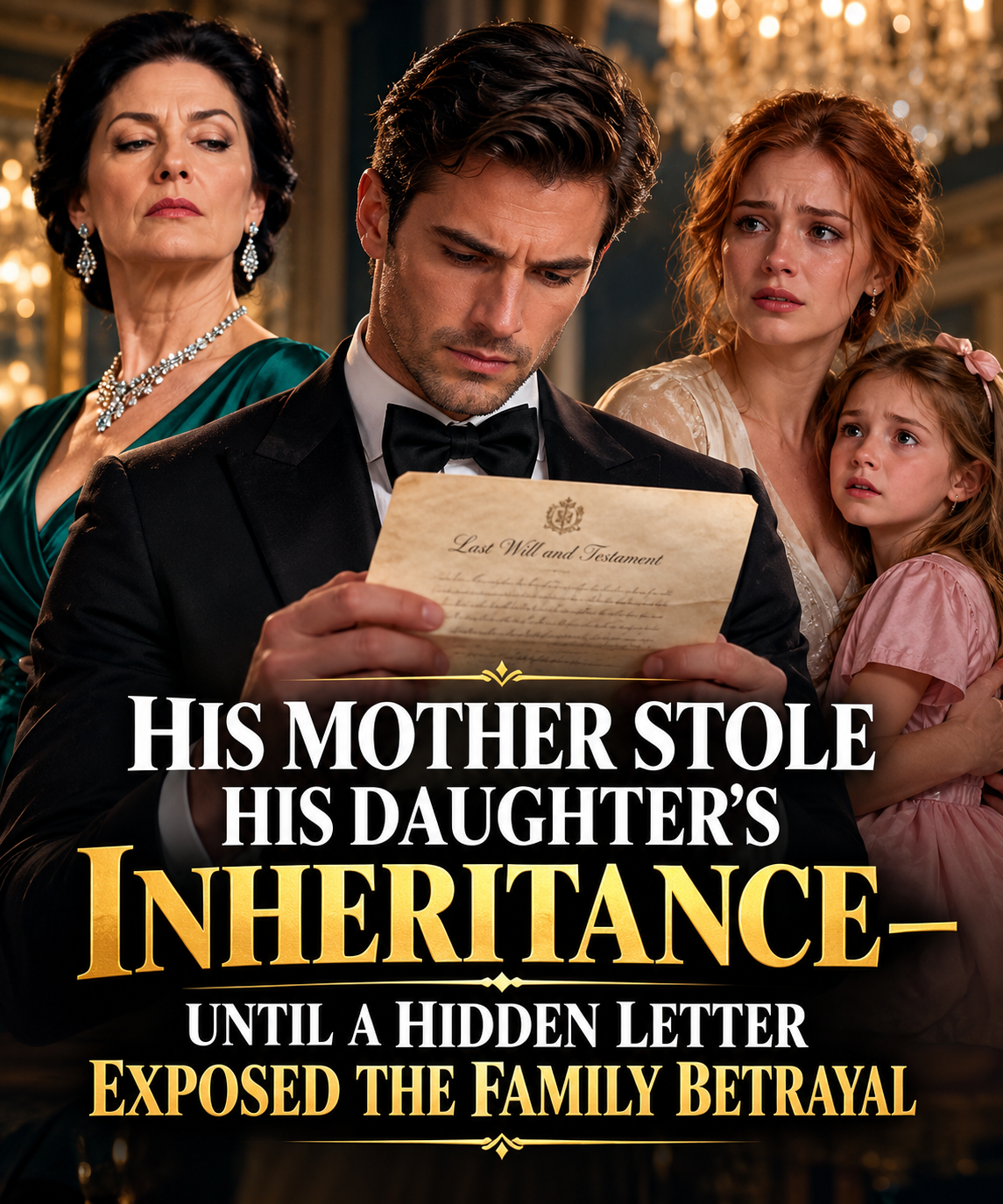
Daniel stared at his signature until the letters seemed to blur. He remembered signing a financial authorization several months earlier, when Victoria had approached him with a stack of documents and explained that the company needed temporary liquidity to meet an unexpected obligation. He had been preparing for a major business presentation and had asked her to summarize the paperwork. She had assured him the funds came from an ordinary corporate reserve. He signed the authorization without examining every page.
“I approved a temporary transfer,” he said carefully. “I did not authorize anyone to empty Lily’s trust.”
Victoria seized on his words. “You see? He knew the company needed money. He agreed to it himself.”
“That is not what I said,” Daniel replied.
But Claire was no longer looking at Victoria. She was watching her husband, trying to reconcile the man who had promised to protect their daughter with the man who had signed a document he had never properly examined. The distinction mattered legally, perhaps, but it did not erase the consequences. For months, Claire had raised concerns about Victoria’s demands and the unusual changes to the estate. Daniel had repeatedly told her to trust his mother. Now his mother had used that trust to reach their child’s future.
“Did you ever ask where the money was coming from?” Claire said.
Daniel lowered his eyes. “No. I should have.”
It was the first honest answer he had given her that evening, and it hurt more than another excuse would have. Claire turned toward Lily and crouched to straighten the little girl’s pink sleeve. She did not want her daughter to remember the family’s wealth as something that mattered more than honesty. Yet the adults surrounding Lily had managed to make precisely that lesson seem inevitable.
Ruth took the authorization and explained that the signature alone did not establish what Daniel had knowingly approved. The complete file, including its original attachments and transaction records, would need to be examined. She also warned that the situation had become serious enough to threaten the company. If the transfers were connected to unauthorized withdrawals from the trust, the board could freeze certain transactions while an independent investigation took place. That would protect Lily’s remaining interests, but it might also disrupt payroll and ongoing business obligations.
Daniel asked Ruth to begin the process immediately. Victoria objected, claiming an outside review would expose confidential financial information and invite unnecessary scrutiny. Ruth reminded her that confidentiality could not be used to conceal potential financial misconduct. For the first time, Victoria appeared less concerned about the family’s reputation than about what an investigation might uncover.
As the adults gathered the documents, Lily tugged gently at Claire’s hand. She wanted to explain why she had gone looking through her grandfather’s desk. A few days earlier, she had been searching for a small wooden box containing pressed flowers and an old photograph of Robert. She had found the hidden compartment by accident. Inside were the envelope, the codicil, and a handwritten note in her grandfather’s familiar script. She had kept the note with the letter because she thought both belonged together.
Daniel unfolded the smaller sheet. Robert’s handwriting was weaker than it had been in earlier years, but the words were unmistakable. He had written that Lily’s trust must remain separate from the family company’s operating funds. He had also instructed his advisers to demand a full accounting if anyone ever attempted to use the money without the trustees’ approval. The note did not accuse Victoria by name, but its timing and specificity made the circumstances difficult to dismiss.
Claire read the note twice. Her father-in-law had apparently understood that his family’s greatest vulnerability was not a market crash or a failing business. It was the possibility that someone with enough authority could make a child’s inheritance disappear behind a wall of official-looking paperwork.
They moved to Robert’s old study, where the original records had been kept. Dust still gathered on the shelves, and a framed photograph of Robert stood beside the desk Lily had searched. Daniel opened the drawers while Ruth reviewed the bank statements. They found company reports, mortgage documents, and correspondence about a subsidiary that had been losing money for more than a year. The records suggested that Victoria had been moving funds between accounts to conceal the subsidiary’s losses while trying to prevent creditors from discovering how serious the situation had become.
Some transfers had covered genuine company expenses. Others had gone through accounts connected to Victoria personally. The money had not simply been borrowed and forgotten; it had been mixed with private obligations, making it difficult to determine which amounts could be recovered and which had already been spent.
Ruth warned that even a successful investigation might not restore the entire trust immediately. The company’s creditors could challenge certain transfers, and any attempt to sell the estate would create additional complications. Daniel realized that his mother’s decisions had placed more than Lily’s education at risk. They could threaten the house where the family had gathered for generations and the business that supported hundreds of employees.
Then Claire found a separate folder wedged behind a row of old account books. Inside was a proposed authorization to sell part of the Whitmore estate, along with a document purporting to show that Claire had consented to the transaction and waived her objections to the trust’s management.
Her signature appeared at the bottom.
Claire felt her stomach tighten. The signature looked convincing at first glance, but she had never seen the document, much less agreed to sell the family home. A notary’s stamp sat beneath her name, making the paper look official enough to mislead a bank or a prospective buyer.
Ruth examined the date and turned the page toward the light. “If this was submitted without Claire’s consent, the situation is no longer limited to disputed trust withdrawals.”
Daniel looked at his wife, then at the signature that was supposed to represent her agreement.
Someone had not only taken money from their daughter.
Someone had attempted to use Claire’s identity to make the entire arrangement appear legitimate.